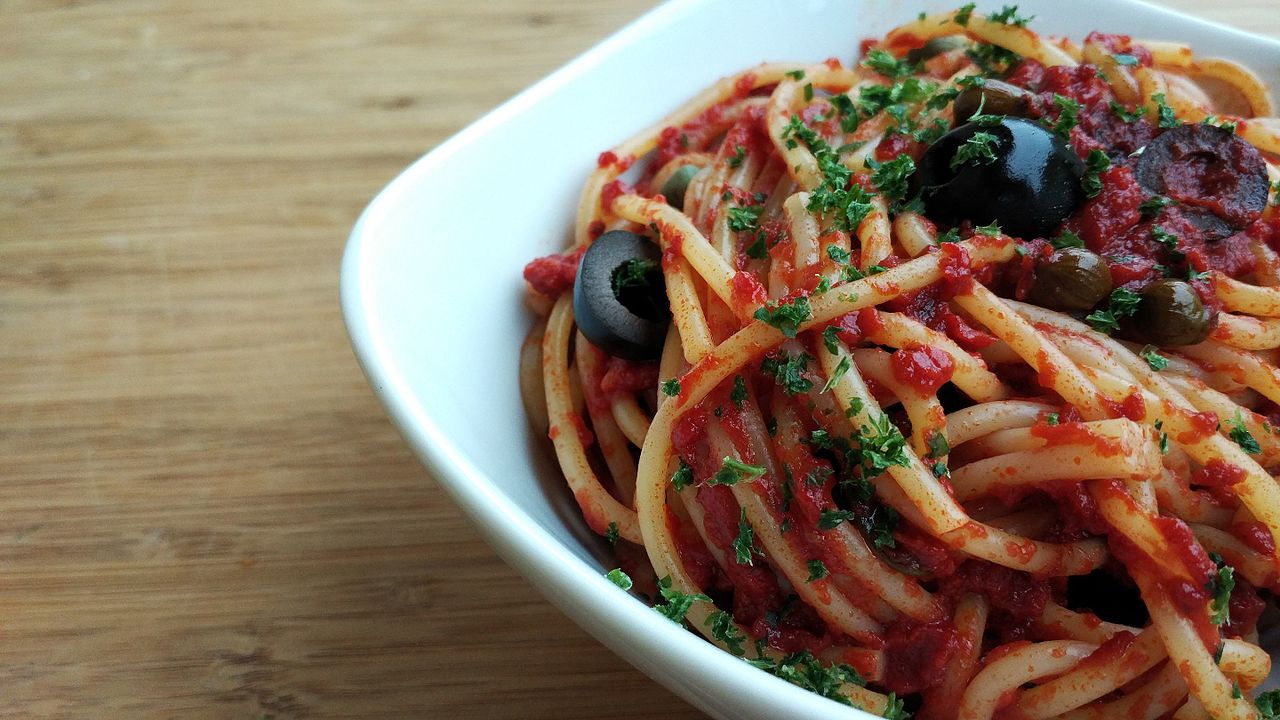
Neapolitan vs. Lazio: Discovering the Authentic Puttanesca Flavor
Dive into the vibrant world of Italian cuisine, and you’ll inevitably encounter
Spaghetti alla Puttanesca – a dish as bold in flavor as it is intriguing in name. This piquant pasta, celebrated for its quick preparation and punchy ingredients, holds a special place in the hearts of pasta lovers worldwide. But like many iconic Italian recipes,
puttanesca isn't a monolithic entity; it boasts regional nuances that subtly, yet significantly, alter its character. The most prominent debate lies between its original Neapolitan form and the widely adopted Lazio variant. Understanding these differences isn't just an academic exercise; it's a journey into the soul of Italian culinary resourcefulness and regional pride.
The Neapolitan Heartbeat: Birthplace of a Bold Classic
The true essence of
puttanesca hails from Naples, a city renowned for its culinary innovation and spirited flavors. It's here, or more specifically, on the idyllic island of Ischia, that restaurateur Sandro Petti is often credited with popularizing the dish in the 1950s. Legend has it, Petti, faced with unexpected late-night guests and limited pantry supplies, was urged to whip up "una puttanata qualsiasi" – a colloquial Neapolitan expression meaning "any old thing" or "something thrown together hastily." What emerged from his kitchen was a revelation: a tomato-based sauce built on pantry staples like rich black olives, briny capers, aromatic garlic, fiery chili peppers, fragrant oregano, and golden olive oil.
The Neapolitan rendition of
puttanesca is a testament to the region’s focus on intense, direct flavors. The sauce simmers just long enough for the ingredients to meld without losing their individual identity. The acidity of the tomatoes balances beautifully with the saltiness of the capers and olives, while chili provides a welcome kick. Crucially, the authentic Neapolitan recipe stands firm on one omission:
anchovies. This detail is paramount, as it allows the other core ingredients to shine, creating a distinct profile that's intensely flavorful yet clean and vibrant. Typically served with spaghetti or linguine, Neapolitan puttanesca embodies improvisation and a deep respect for simple, high-quality ingredients.
The Lazio Twist: A Touch of Umami from Gaeta
While Naples proudly claims paternity, the culinary landscape of Italy is vast and interconnected. As
puttanesca traveled north, particularly reaching the Lazio region – home to Rome – a notable adaptation emerged. This variant, often associated with the coastal town of Gaeta (though widely embraced throughout Lazio), introduces a game-changing ingredient:
anchovies.
The addition of anchovies in the Lazio-style
puttanesca sauce introduces an entirely new dimension of flavor. When gently dissolved in hot olive oil, these small, cured fish transform into a rich, savory base that imparts a profound umami depth. This subtle change creates a more robust, perhaps even more complex, flavor profile than its Neapolitan counterpart. The anchovies enhance the existing brininess and provide a foundation that beautifully complements the tomatoes, olives, and capers. For many, this version is the definitive
puttanesca they know and love, having gained widespread popularity across Italy and beyond. While some purists may debate its authenticity compared to the original, the Lazio variant showcases the adaptability of Italian cuisine and how regional palates can subtly reshape a classic into something equally compelling.
Beyond the Bowl: Unraveling the Provocative Name and History
The name "Puttanesca" itself often sparks curiosity and amusement, translating literally to "in the style of a prostitute" or "whore's spaghetti." This provocative moniker has given rise to various colorful, often anecdotal, origin stories. While some folklore links the dish to brothels in Naples' Spanish Quarters, suggesting its quick preparation and pungent aromas appealed to sex workers or their clients, the more widely accepted and historically supported explanation leans into its improvised nature.
As mentioned, the term "puttanata" in Neapolitan dialect refers to something "haphazardly thrown together" or "any old thing." This interpretation aligns perfectly with the dish’s genesis as a quick, resourceful meal made from pantry staples, embodying the spirit of cucina povera – the "poor kitchen" tradition of making delicious food from humble ingredients. This linguistic connection is far more plausible than direct associations with the profession. To delve deeper into the fascinating etymology and separate fact from fiction, be sure to read
Decoding Puttanesca: The True Story Behind Its Provocative Name. Regardless of its exact naming origin, the dish's captivating history only adds to its allure, cementing its status as a culinary icon born from ingenuity.
Crafting Your Perfect Puttanesca: Tips and Techniques
Whether you lean towards the pure Neapolitan spirit or the umami-rich Lazio interpretation, mastering
puttanesca at home is surprisingly simple. It’s a weeknight savior, often cooking in less time than it takes to boil your pasta. Here are some tips for achieving perfection:
- Quality Ingredients are Key: Since the ingredient list is short, quality truly shines through. Use good quality canned tomatoes (San Marzano are excellent), flavorful black olives (Gaeta or Kalamata), non-pareil capers, and fresh garlic. For the Lazio version, opt for good quality, oil-packed anchovies.
- Don't Overcook the Sauce: Puttanesca sauce is meant to be lively and fresh, not deeply simmered. A brief sauté of the aromatics followed by a quick simmer with the tomatoes allows the flavors to meld without becoming muddled. Aim for about 15-20 minutes total.
- Balance is Crucial: Taste as you go! The interplay of salty (olives, capers, anchovies), spicy (chili), and tangy (tomatoes) is what makes puttanesca so addictive. Adjust chili flakes to your heat preference.
- Pasta Choice: Spaghetti is the classic, but linguine, bucatini, or even penne work beautifully. Ensure your pasta is al dente and finish cooking it directly in the sauce with a splash of pasta water to create a silky, cohesive dish.
- Finishing Touch: A generous sprinkle of fresh chopped parsley at the very end brightens the entire dish and adds a lovely herbaceous note. Skip the cheese; traditional Italian pasta dishes with fish or seafood elements rarely get a parmesan topping.
For more detailed step-by-step instructions and practical advice on making this incredible dish a staple in your kitchen, explore
Puttanesca Perfection: Quick & Flavorful Pasta from Pantry Staples.
Puttanesca as a Culinary Philosophy
Beyond its ingredients and regional variations,
puttanesca embodies a profound culinary philosophy: creating something extraordinary from the ordinary. It's a testament to the resourcefulness and creativity inherent in southern Italian cuisine, particularly in Naples, where ingredients were often scarce but flavor was never compromised. This dish, once a humble improvisation, gained international recognition post-World War II, appearing on menus globally as a versatile, vegetarian-friendly (in its Neapolitan form), and utterly delicious option that requires minimal fresh ingredients and cooks in under 30 minutes. It's the ultimate pantry meal, a bold contrast of tastes that satisfies deeply and transports you straight to the sun-drenched coasts of Italy.
In conclusion, the journey through the flavors of
puttanesca reveals more than just a recipe; it uncovers a dialogue between tradition and adaptation. Whether you prefer the bright, unadorned zest of the Neapolitan original or the complex, umami-rich depth of the Lazio variant, both versions celebrate the same core values: bold flavors, simple ingredients, and the enduring magic of Italian cooking. So, which side of the Puttanesca debate will you fall on? There’s only one way to find out – get cooking!