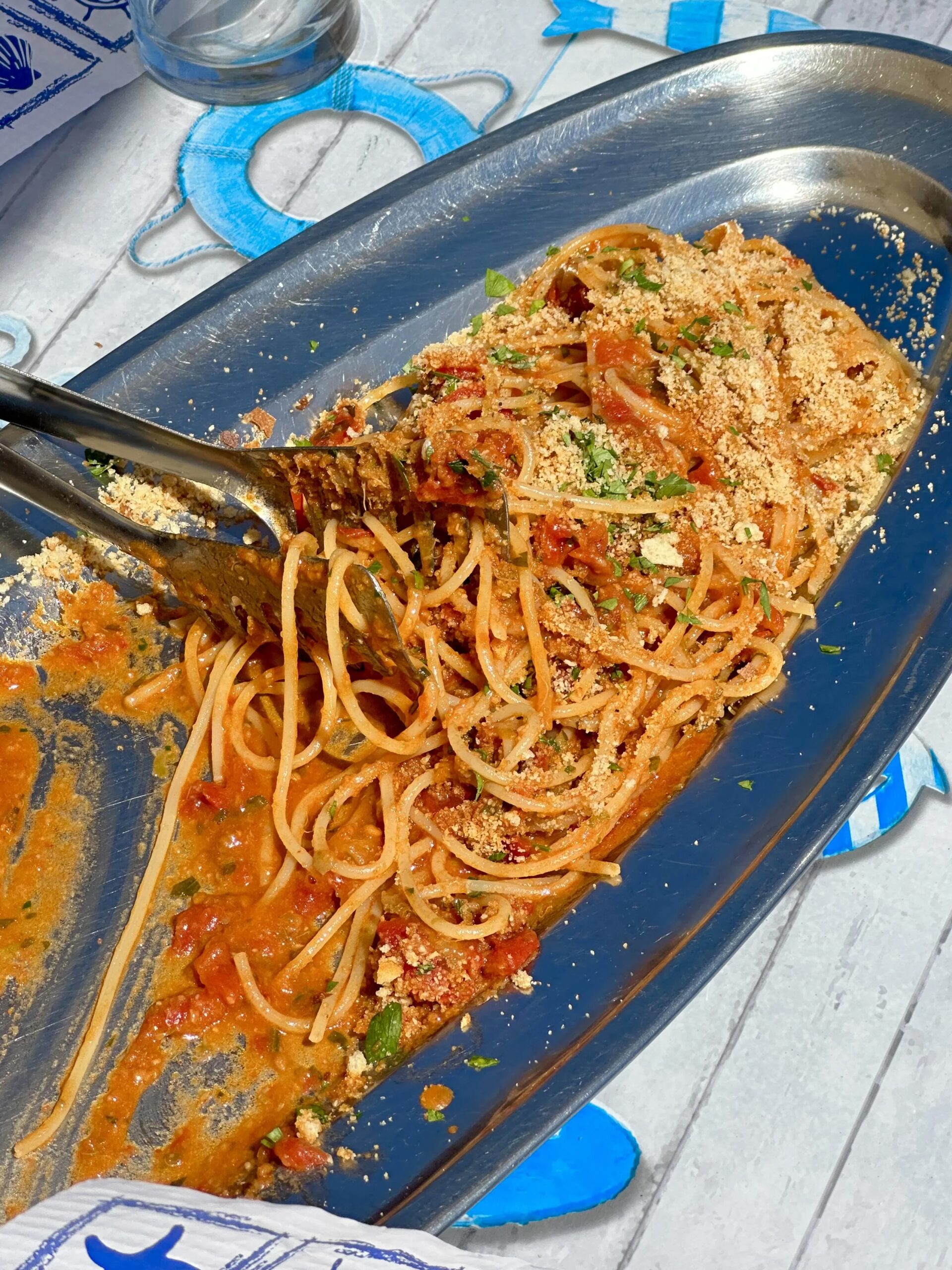
Decoding Puttanesca: The True Story Behind Its Provocative Name
Few pasta dishes ignite curiosity quite like
puttanesca. Its bold, unforgettable flavors — a vibrant symphony of briny olives, pungent capers, fiery chili, and rich tomatoes — are matched only by the scandalous intrigue of its name. Translating quite literally to "spaghetti in the style of a prostitute" or "whore's spaghetti," this Neapolitan classic has captivated culinary enthusiasts and curious diners for decades. But is its provocative moniker a nod to its humble origins in brothels, or does a more nuanced linguistic history lie beneath the surface of this beloved dish? Join us as we unravel the captivating truth behind the name and the enduring appeal of spaghetti alla puttanesca.
A Symphony of Pantry Staples: The Dish Itself
Before delving into the etymology, let's appreciate the culinary genius that is
puttanesca. This is a dish born of resourcefulness, a testament to the Southern Italian ability to transform simple pantry ingredients into something extraordinary. At its heart lies a piquant tomato sauce, typically tossed with spaghetti or linguine, that comes together with astonishing speed. The core ingredients include:
- Black Olives: Often Kalamata or Gaeta olives, providing a deep, salty, and slightly fruity note.
- Capers: Briny and tangy, adding a burst of acidity that cuts through the richness of the tomatoes.
- Garlic: A foundational aromatic, imparting a robust, savory base.
- Chili Peppers: Fresh or dried, they deliver a signature heat that awakens the palate.
- Oregano: A quintessential Italian herb, adding earthy, aromatic depth.
- Olive Oil: The essential fat that binds all the flavors together, providing richness and a silky texture.
- Crushed Tomatoes: The sweet and acidic backbone of the sauce.
What makes
puttanesca a true culinary marvel is its incredible balance of contrasting tastes. The saltiness from the olives and capers dances with the heat of the chili, the acidity of the tomatoes, and the earthiness of the oregano. It's a dish that demands attention, a powerful flavor punch that can turn an ordinary weeknight into a vibrant Italian escape. Often finished with a sprinkle of fresh parsley, it's a testament to the fact that minimal fresh ingredients, when expertly combined, can yield maximum flavor. It's truly a "weeknight savior," with a sauce that often cooks in less time than it takes to boil the pasta itself.
Unraveling the Enigma: The True Origin of "Puttanesca"
The direct translation of
puttanesca is undeniably salacious, leading many to assume a straightforward connection to the world's oldest profession. However, culinary historians and linguists propose a more nuanced and, arguably, more plausible origin story, rooting the name in Italian colloquialisms rather than direct association with sex workers.
The leading theory suggests the name derives not directly from "puttana" (prostitute), but from "puttanata," a Neapolitan colloquialism meaning "something trashy," "a mess," or, more aptly, "something thrown together hastily." In this context, "alla puttanata" would imply a dish that was quickly improvised, a "haphazard" creation whipped up from whatever was readily available in the pantry.
This theory is strongly supported by an anecdote from the 1950s involving restaurateur Sandro Petti on the picturesque island of Ischia, near Naples. The story goes that Petti, facing unexpected late-night guests at his establishment, found his pantry sparse. When urged to "facci una puttanata qualsiasi" – essentially, "make any old thing" or "whip up something trashy" – he rose to the challenge. With the staples at hand – tomatoes, olives, capers, garlic, and chili – he created a quick, flavorful pasta sauce. He initially dubbed it "alla puttanata," a name that eventually evolved into the more mellifluous, and perhaps deliberately provocative, "alla puttanesca." This origin aligns perfectly with the dish's character: simple, quick, and reliant on readily available, non-perishable ingredients.
The Brothel Myth: A Tangy Tale of Naples' Spanish Quarters
While the Sandro Petti story holds the most linguistic weight, an alternative, more romanticized, and certainly more widely known, folk tale persists. This anecdotal account links the creation of
puttanesca to the bustling and historically notorious Spanish Quarters (Quartieri Spagnoli) of Naples in the early 20th century.
According to this lore, the dish was a staple in local brothels, served either by the establishments themselves or by nearby eateries catering to them. The reasoning for its popularity in such settings is multifaceted:
*
Quick Preparation: Its rapid cooking time meant it could be prepared and consumed quickly between "encounters," maximizing efficiency for both the workers and their clients.
*
Bold Flavors: The pungent aroma of garlic, olives, and capers, combined with the spicy kick of chili, was said to be particularly appealing. These strong flavors were thought to be stimulating and perhaps even capable of masking other less pleasant odors.
*
Vibrant Appearance: The rich red of the tomatoes, the dark olives, and the green capers created a visually appealing, colorful dish that might have caught the eye of passersby or enticed clients.
While this narrative is undeniably captivating and adds to the dish's allure, it lacks the concrete linguistic or historical evidence of the "puttanata" theory. It remains a popular piece of folklore, cementing
puttanesca's reputation as a dish with a colorful past, whether literally or figuratively.
Regional Flair: Neapolitan vs. Lazio Puttanesca
Like many iconic Italian dishes,
puttanesca is not monolithic. Regional variations offer subtle but distinct differences, emphasizing the dish's adaptability and the unique culinary traditions of different areas. The most notable distinction lies between the authentic Neapolitan form and its Lazio counterpart.
In its true Neapolitan iteration, spaghetti alla
puttanesca proudly omits anchovies. This emphasis on fresh, simple flavors, with the saltiness solely provided by the olives and capers, is a hallmark of Southern Italian cooking. The focus remains squarely on the vibrant interplay of tomato, garlic, chili, and briny elements.
However, venture north into the Lazio region, particularly around Gaeta, and you'll find a variant that introduces anchovies into the sauce. These small, cured fish dissolve into the simmering tomatoes, adding an incredible depth of umami and an extra layer of savory richness without overpowering the other flavors. This addition transforms the dish slightly, offering a more complex, fish-infused dimension that many find irresistible. Understanding these nuances is key to appreciating the full spectrum of this versatile pasta. To truly delve into the specific differences and discover which version might tickle your taste buds, explore
Neapolitan vs. Lazio: Discovering the Authentic Puttanesca Flavor.
Tips for the Perfect Puttanesca Experience
Regardless of which origin story you prefer, or which regional variant you decide to explore, preparing an exceptional
puttanesca is a rewarding experience. Here are a few tips to ensure your dish is as bold and flavorful as its name suggests:
- Quality Ingredients are Key: Even though it’s a "pantry staple" dish, good quality canned tomatoes, flavorful olives, and potent capers make a significant difference.
- Don't Overcook the Sauce: Puttanesca sauce is meant to simmer briefly, allowing the flavors to meld without losing their distinct character. A quick sauté of garlic and chili, then a short simmer with tomatoes and the briny elements, is all it needs.
- Taste and Adjust: The saltiness can vary greatly depending on your olives and capers. Taste before adding salt and adjust seasoning as needed.
- Finish with Freshness: A generous handful of fresh parsley stirred in at the end brightens the entire dish and adds a lovely aromatic finish.
- Pairing: The robust flavors of puttanesca pair wonderfully with a crisp, dry white wine or a light-bodied red.
This dish truly embodies the resourcefulness and vibrant culinary heritage of southern Italian cuisine. Its ability to create such a powerful and satisfying meal from such humble origins is why it gained international recognition post-World War II and remains a beloved classic. For more practical advice on mastering this quick and flavorful dish, dive into
Puttanesca Perfection: Quick & Flavorful Pasta from Pantry Staples.
Conclusion
Spaghetti alla
puttanesca is more than just a pasta dish; it’s a captivating story on a plate. Whether its provocative name stems from the ingenuity of a Neapolitan restaurateur whipping up a "haphazard" meal, or from the colorful backstreets of Naples' Spanish Quarters, its legacy is one of bold flavors and remarkable simplicity. It stands as a testament to the idea that the most profound culinary experiences often arise from the most basic ingredients and a touch of ingenuity. Today, as kitchens worldwide continue to embrace its quick preparation and unforgettable taste,
puttanesca remains a vibrant symbol of Italy's enduring culinary charm, forever inviting diners to savor its complex history with every delicious, pungent bite.